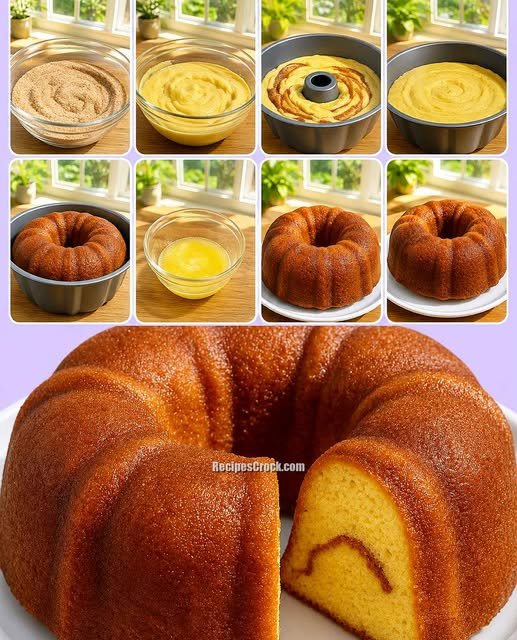
Prep Time: 15 minutes | Cook Time: 45 minutes | Total Time: 1 hour
Intensity Level: Easy — Perfect for beginner bakers and weekend morning projects
Why This Recipe Works
Imagine the warm, buttery, cinnamon-sugar coating of a fresh classic donut — but transformed into a tender, sliceable loaf that requires no rolling, no cutting, no deep frying, and absolutely no yeast. That’s exactly what Cinnamon Donut Bread delivers.
This clever hybrid takes all the nostalgic flavors of a glazed cake donut and bakes them into a simple quick bread. The secret lies in a two-step finishing process: a generous brush of melted butter followed by a generous dusting of cinnamon sugar, applied while the loaf is still warm from the oven. That coating soaks slightly into the crust, creating that signature donut-shop texture — slightly crisp on the outside, impossibly soft on the inside.
Unlike traditional donuts that demand attention at the fryer and lose their magic within hours, this bread improves with a short rest. It stays moist for days, toasts beautifully, and requires nothing more than a single bowl, a loaf pan, and about fifteen minutes of active effort.
Whether you’re feeding a hungry family on a slow Sunday morning, bringing something special to a holiday brunch, or simply craving that cinnamon-donut experience without the hassle of hot oil, this recipe delivers every single time.
Ingredients
For the Bread
-
2 cups (250g) all-purpose flour
-
1 cup (200g) granulated sugar
-
1 tablespoon baking powder
-
1 teaspoon ground cinnamon
-
½ teaspoon ground nutmeg (freshly grated if possible)
-
½ teaspoon fine sea salt
-
¾ cup (180ml) whole milk, at room temperature
-
⅓ cup (75g) unsalted butter, melted and slightly cooled
-
2 large eggs, at room temperature
-
2 teaspoons vanilla extract
For the Donut Coating
-
½ cup (100g) granulated sugar
-
1 tablespoon ground cinnamon
-
4 tablespoons (56g) unsalted butter, melted
Instructions
Step 1: Prepare
Preheat your oven to 350°F (175°C). Grease a 9×5-inch loaf pan thoroughly with butter or non-stick spray, then dust lightly with flour. For best results, line the bottom with a strip of parchment paper, leaving overhang on two sides — this will act as handles to lift the finished bread out cleanly.
Step 2: Mix the Dry Ingredients
In a large mixing bowl, whisk together the flour, 1 cup of sugar, baking powder, 1 teaspoon of cinnamon, nutmeg, and salt. Whisk thoroughly for at least 30 seconds — this ensures the baking powder and spices are evenly distributed, which prevents bitter pockets of leavener later.
Step 3: Mix the Wet Ingredients
In a separate bowl or large liquid measuring cup, combine the room-temperature milk, ⅓ cup of melted butter, eggs, and vanilla extract. Whisk until the eggs are fully incorporated and the mixture looks pale and slightly frothy.
Step 4: Combine
Pour the wet ingredients into the dry ingredients. Fold together gently with a rubber spatula or wooden spoon. Do not overmix. Stir just until the flour disappears and the batter looks evenly moistened. A few small lumps are perfectly fine. Overmixing develops gluten, which will make your bread tough and dense instead of tender and delicate.
Step 5: Bake
Scrape the batter into your prepared loaf pan and spread it evenly to the edges. Bake for 40 to 45 minutes, or until a wooden skewer inserted into the center comes out clean or with just a few moist crumbs attached. The top should be golden brown and spring back when lightly pressed.
Oven note: If the top is browning too quickly after 30 minutes, tent the loaf loosely with aluminum foil for the remaining bake time.
Step 6: Prepare the Coating While the Bread Bakes
In a small, shallow bowl, whisk together the ½ cup of sugar and 1 tablespoon of cinnamon for the coating. In another small bowl, melt the remaining 4 tablespoons of butter. Set both aside near where you’ll be finishing the bread.
Step 7: Coat the Warm Bread
Let the bread cool in the pan for exactly 10 minutes. This is important — too soon and the bread will fall apart; too long and the coating won’t adhere properly. After 10 minutes, run a knife around the edges and lift the bread out using the parchment handles (or invert it onto a wire rack).
Place the warm loaf on a wire rack set over a baking sheet (to catch drips). Using a pastry brush, generously coat all surfaces of the bread — top, sides, and ends — with the melted butter. Don’t be shy; the butter is what gives you that authentic donut flavor and helps the cinnamon sugar stick.
While the butter is still glistening and wet, sprinkle or roll the cinnamon-sugar mixture over every buttered surface. Use your hands to press it gently into the sides. For a thicker, more authentic donut-style crust, wait two minutes, then brush again with any remaining butter and apply a second layer of cinnamon sugar.
Step 8: Cool and Serve
Allow the coated bread to cool completely on the wire rack — at least 30 more minutes. The coating will set into a crackly, sweet crust as it cools. Slice with a serrated knife using a gentle sawing motion to preserve the coating.
Pro Tips for Success
Room temperature matters. Cold milk or eggs will seize the melted butter, creating a lumpy batter and a denser crumb. Set your ingredients on the counter 30 minutes before starting.
For an extra donut-like texture, substitute ¼ cup of the milk with sour cream or plain Greek yogurt. The slight acidity tenderizes the crumb and adds richness.
Don’t skip the nutmeg. Even a tiny pinch transforms cinnamon from one-note sweet into something complex and deeply aromatic — it’s what makes donuts taste like donuts.
Make it gluten-free. Replace the all-purpose flour with a quality 1:1 gluten-free baking flour blend (one containing xanthan gum). No other adjustments needed.
Add a vanilla glaze. For a glazed donut variation, omit the cinnamon-sugar coating entirely. Instead, whisk 1 cup powdered sugar with 2 tablespoons milk and ½ teaspoon vanilla, then drizzle over the cooled bread.
Storage & Shelf Life
Store leftover Cinnamon Donut Bread tightly wrapped in plastic wrap or in an airtight container at room temperature for up to 4 days. The coating will soften slightly over time, which only makes it more reminiscent of a fresh cake donut.
To refresh day-old slices, toast them in a buttered skillet over medium heat for 60 seconds per side, or pop them in a toaster oven at 300°F for 3 to 4 minutes. The warmth reawakens the cinnamon and restores that crisp edge.
This bread also freezes beautifully. Wrap the fully cooled loaf tightly in plastic wrap, then in foil, and freeze for up to 3 months. Thaw overnight at room temperature, then warm slices as desired.
Nutrition Information
Per serving (1 slice, based on 12 slices)
| Nutrient | Amount |
|---|---|
| Calories | 345 |
| Total Fat | 14g |
| Saturated Fat | 8g |
| Trans Fat | 0g |
| Cholesterol | 70mg |
| Sodium | 280mg |
| Total Carbohydrates | 51g |
| Dietary Fiber | 1.5g |
| Total Sugars | 31g |
| Includes Added Sugars | 28g |
| Protein | 5g |
| Calcium | 108mg (8% DV) |
| Iron | 1.6mg (9% DV) |
| Potassium | 85mg |