-
Prep Time: 10 minutes
-
Cook Time: 15 minutes
-
Total Time: 25 minutes
-
Intensity Level: Easy (minimal cooking skills required; great for beginners)
-
Dietary Notes: Vegetarian, can be made vegan/dairy-free, nut-free option
What Does “Intensity” Mean Here?
For this recipe, intensity refers to the level of attention, effort, and kitchen activity required.
-
Low intensity: Simple mixing, basic flipping, no special equipment.
-
Active cooking time: About 10–12 minutes of standing at the stove.
-
Skill level required: Using a spatula, controlling pan heat, and recognizing when bubbles form on pancakes.
-
Cleanup effort: One bowl, a griddle or skillet, and a spatula – minimal mess.
Ingredients
You probably already have most of these in your pantry:
Dry Ingredients
-
2 cups (160 g) old-fashioned rolled oats (not instant)
-
2 teaspoons baking powder (aluminum-free for best taste)
-
½ teaspoon baking soda
-
¼ teaspoon fine sea salt
-
1 tablespoon coconut sugar or brown sugar (optional, for slight sweetness)
Wet Ingredients
-
1 cup (240 ml) unsweetened almond milk (or any milk – dairy, oat, soy)
-
2 tablespoons apple cider vinegar or lemon juice (creates “buttermilk” effect)
-
1 large egg (or flax egg: 1 Tbsp ground flaxseed + 3 Tbsp water)
-
2 tablespoons melted coconut oil or unsalted butter, plus extra for greasing
-
1 teaspoon vanilla extract
Optional Add-Ins
-
½ cup fresh or frozen blueberries
-
½ mashed ripe banana (adds natural sweetness)
-
1 tablespoon maple syrup (for extra sweetness)
-
¼ cup chopped walnuts or pecans
Step-by-Step Instructions
1. Prepare the “Oat Buttermilk” (5 minutes – low intensity)
In a small bowl or liquid measuring cup, combine the 1 cup of almond milk with the 2 tablespoons of apple cider vinegar (or lemon juice). Stir once and let sit for 5 minutes. It will thicken slightly and look curdled – that’s exactly what you want. This acid helps activate the baking soda and makes the pancakes tender.
2. Grind the Oats (3 minutes – medium intensity if using a blender)
Place the rolled oats into a high-speed blender or food processor. Pulse until they turn into a fine flour-like consistency. You should have about 1¾ cups of oat flour. (If you have pre-made oat flour, simply measure 1¾ cups and skip this step.) Pro tip: Don’t over-blend into a paste; stop when it looks like whole wheat flour.
3. Mix Dry Ingredients (2 minutes – low intensity)
In a large mixing bowl, whisk together the oat flour, baking powder, baking soda, salt, and coconut sugar (if using). Make sure there are no clumps – oat flour can be dense, so a whisk breaks up any lumps.
4. Combine Wet Ingredients (2 minutes – low intensity)
In a separate bowl, beat the egg (or flax egg) lightly. Add the soured milk (from step 1), melted coconut oil, and vanilla extract. Whisk until smooth.
5. Make the Batter (2 minutes – low intensity)
Pour the wet ingredients into the dry ingredients. Stir with a spatula or wooden spoon until just combined. A few small lumps are fine – overmixing will make the pancakes tough. The batter should be thick but pourable, like a loose muffin batter. If it seems too thick, add 1–2 extra tablespoons of milk. If too thin, add a tablespoon of oat flour.
Rest the batter (optional but recommended): Let it sit for 5–10 minutes. Oat flour absorbs liquid slowly; this rest gives you fluffier pancakes.
6. Heat Your Pan (medium intensity – temperature control)
Place a non-stick skillet, cast-iron pan, or griddle over medium heat. Let it warm up for 2 minutes. To test if it’s ready, flick a drop of water onto the surface – it should sizzle and evaporate immediately. Lightly grease with coconut oil, butter, or cooking spray.
7. Cook the Pancakes (10–12 minutes – high intensity while flipping)
-
Using a ¼-cup measuring cup, pour batter onto the hot skillet. Leave space between each pancake (about 2 inches).
-
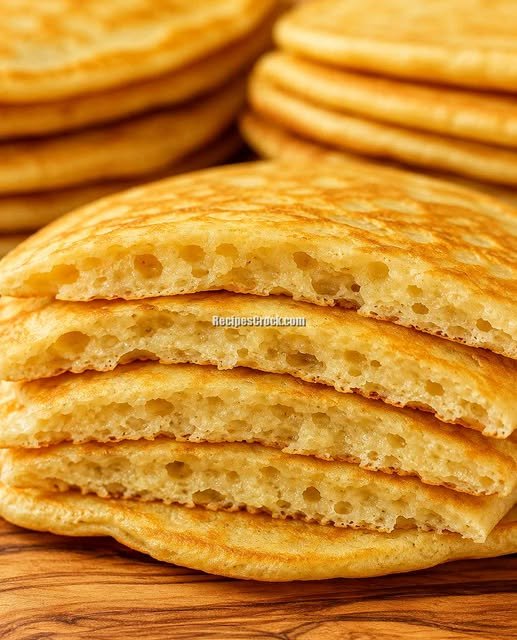
Cook undisturbed for 2–3 minutes, until you see bubbles forming on the surface and the edges look set. The bottom should be golden brown (lift a corner to check).
-
Flip carefully with a thin spatula. Cook for another 1–2 minutes on the second side until golden and puffed up.
-
Transfer to a plate and cover loosely with foil to keep warm. Repeat with remaining batter, adding more oil as needed.
Intensity note: Flipping requires focus, but after one or two pancakes, you’ll find a rhythm. Lower heat if pancakes brown too quickly without cooking through; raise if they take longer than 4 minutes to bubble.
8. Serve Immediately (low intensity – pure joy)
Stack the pancakes on plates. Top with your favorites: maple syrup, fresh berries, sliced bananas, a dollop of Greek yogurt, or a drizzle of almond butter. For an extra oat crunch, sprinkle a few raw rolled oats on top.
The Last of the Recipe: Storage & Reheating
One of the best things about oat pancakes is how well they keep. Here’s how to make the most of leftovers:
-
Refrigerate: Cool pancakes completely on a wire rack (to prevent sogginess). Stack with parchment paper between each pancake, place in an airtight container, and refrigerate for up to 4 days.
-
Freeze: Arrange cooled pancakes in a single layer on a baking sheet and freeze for 1 hour. Transfer to a freezer-safe bag or container, separating layers with parchment. They’ll keep for up to 2 months.
-
Reheat:
-
Toaster or toaster oven: Pop frozen pancakes directly in – crisp and fast (2–3 minutes).
-
Microwave: 30–45 seconds for refrigerated, 60–75 seconds for frozen.
-
Skillet: Reheat over low heat for 1 minute per side to restore crisp edges.
-
Pro tip: These pancakes actually taste even better the next day – the oat flavor deepens and the texture becomes slightly chewy, almost like an oat cake.
Nutrition Information (Per Pancake – based on 8 pancakes, without toppings)
| Nutrient | Amount |
|---|---|
| Calories | 135 kcal |
| Total Fat | 6 g |
| – Saturated Fat | 3.5 g |
| Cholesterol | 23 mg |
| Sodium | 210 mg |
| Total Carbohydrates | 16 g |
| – Dietary Fiber | 2.5 g |
| – Sugars | 2 g |
| Protein | 4 g |
| Calcium | 80 mg |
| Iron | 1.2 mg |
| Potassium | 120 mg |